· David Cruz · ABA Best Practices · 4 min read
Maintenance Probes in ABA: Planning Follow-Up for Mastered Skills
Plan follow-up checks for mastered skills, keep results in context, and deliberately include completed work in TallyFlex sessions.
Key Takeaways
A recorded mastery decision answers an earlier question; a maintenance probe asks how the skill is holding up now. Keeping those checks connected to the original target makes the follow-up easier to review. TallyFlex keeps mastered targets and completed programs available for follow-up, with session selection controls for choosing what to collect next.
A target can be complete and still matter in the next session. The practical challenge is deciding which skills to check, making that plan clear to the team, and keeping the results with the target’s existing history.
What Are Maintenance Probes?
A maintenance probe checks a previously learned skill after time has passed. A generalization probe asks about performance with different people, settings, or materials. Specify which question the observation is intended to answer so that a change in conditions is visible when you review the result.
Before collection, agree on:
- Which target to check and the conditions to use.
- What response and prompt information to record.
- When the check will happen and who will collect it.
- What findings should prompt a review by the supervising practitioner.
The schedule should follow the learner’s plan and the purpose of the check. An every-session, weekly, or monthly schedule is not a universal rule, and TallyFlex does not choose or schedule probes for you.
Keep Follow-Up Targets in the Session Workflow
TallyFlex supports two useful ways to include previously mastered work.
Include Previous Phases in an Active Program
With Cumulative phases enabled, mastered targets from completed phases of an active program are selected for maintenance alongside current-phase work. This setting helps retain relevant targets in the collection workflow as the program advances.
Only targets actually recorded mastered count as maintenance. If a phase completed with an N-of-M rule, its unfinished targets remain unmastered and available for deliberate selection. Completing 3 of 5 targets does not turn all 5 into mastered skills.
Select Completed or Mastered Work Deliberately
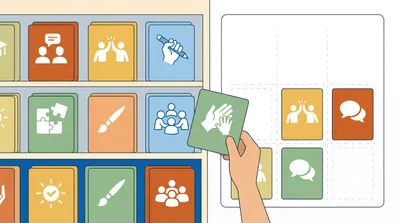
Use Show mastered/completed during session setup to find optional follow-up work. Mastered standalone targets and targets from completed programs start unchecked; select the ones called for in the session plan.
This distinction matters when a program finishes. Its targets remain available for follow-up, but they are not automatically added to every new session. Quick Start follows the default selection, so use ordinary session setup when you need to choose additional completed work.
See the auto-progression and maintenance guide for how these settings work together.
Review a Lower Probe Result in Context
A lower result is a reason to inspect the evidence. Record the actual response, then review the conditions with the supervising practitioner: Was the same skill measured? Were prompts or materials different? Were there enough opportunities to interpret the percentage? Does the result fit a broader pattern?
Do not use a fixed number of low probes as an automatic rule for restarting teaching. The BACB’s Ethics Code for Behavior Analysts, sections 2.17–2.18, calls for using data and continually evaluating interventions. The follow-up decision should come from that review and the individual plan.
If a target needs to be reopened in TallyFlex, use Reopen target for direct target mastery. For a target with objectives, change the relevant objective’s status in the editor. Existing observations remain available for comparison.
Make the Team’s Next Action Clear
A shared target list shows what is available. It does not tell each collector when to probe, which conditions to arrange, or what result requires consultation. Put those instructions in the team’s plan and make sure the person collecting data has them before the session.
For example, a follow-up plan might name one previously mastered communication target, the context in which to observe it, and the prompt information to record. The collector selects that target, follows the plan, and records the result. The supervisor can then review it alongside the earlier observations.
That keeps maintenance connected to ordinary collection without treating a software status as a promise that the skill will persist.
What’s Next?
- Mastery Criteria and Objectives: separate calculated progress from a recorded mastery decision.
- Auto-Progression: understand phase completion and maintenance selection.
- Working with Graphs: review follow-up observations with the target’s history.